- Owners with economic difficulties or without generational replacement avoid removing their vessels due to the high cost and generate risks for the enclosures and the rest of the fleet.
- Barcelona’s coastline, heavily affected by the booming phenomenon
Immobile, degraded and trapped in a bureaucratic labyrinth. Abandoned boats have become a major concern for Catalan marinas, which face a triple crisis: lack of space, the risk of polluting discharges and a regulation so slow that it can take two years to authorize a single scrapping.
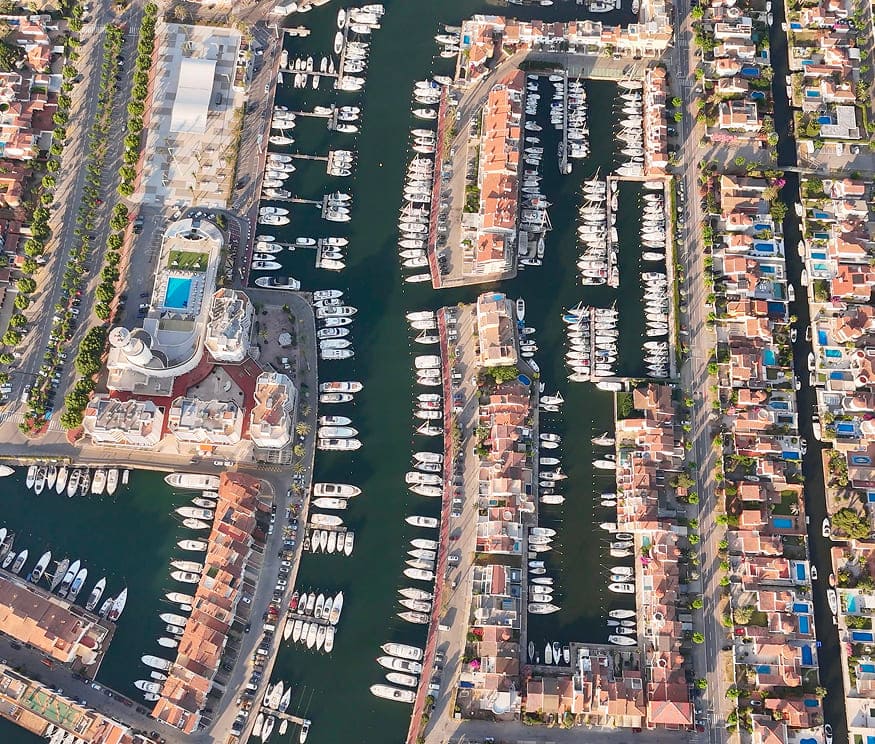
The absence of an official census prevents an accurate quantification of the extent of the serious problem of boat abandonment, which for the sector is already a sign that the issue has so far been neglected. This is a growing trend and Catalonia, having one of the highest densities of moorings in the Mediterranean (about 30,000), is one of the most affected.
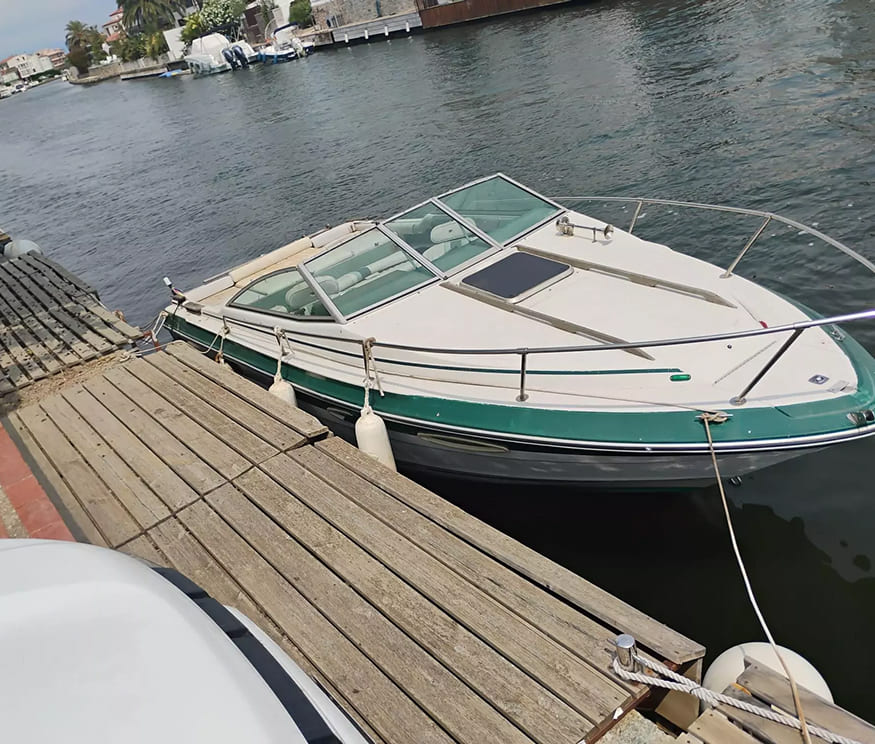
In Catalan ports, abandonment tends to occur on small and medium-sized pleasure craft, between six and ten meters in length. Most of them are Spanish and French flagged. The ports denounce that the procedure to be able to remove them is very long and expensive. “It’s like having a parking lot where several people leave their cars and they disappear forever. You have an occupied space without being able to charge”, explains Jordi Caballé, from Marinas de España.
Fleet aging
“It’s a problem that is growing,” explains the president of the Barcelona Capital Nautica Foundation, Laureà Fanega, the result of the aging of the people who until now owned boats, as well as the current fleet. In recent years, the sale of boats has fallen in favor of rentals, activities in sailing clubs and shared use.
Raimon Roca, president of the Associació Catalana de Ports Esportius i Turístics (ACPET) – which represents 48 concessionaires with two thirds of the Catalan moorings – indicates that the problem of abandonment is due to personal situations: elderly owners with no generational replacement, heirs who are disengaged from the ship and, above all, owners who are going through economic difficulties.
Danger at the port
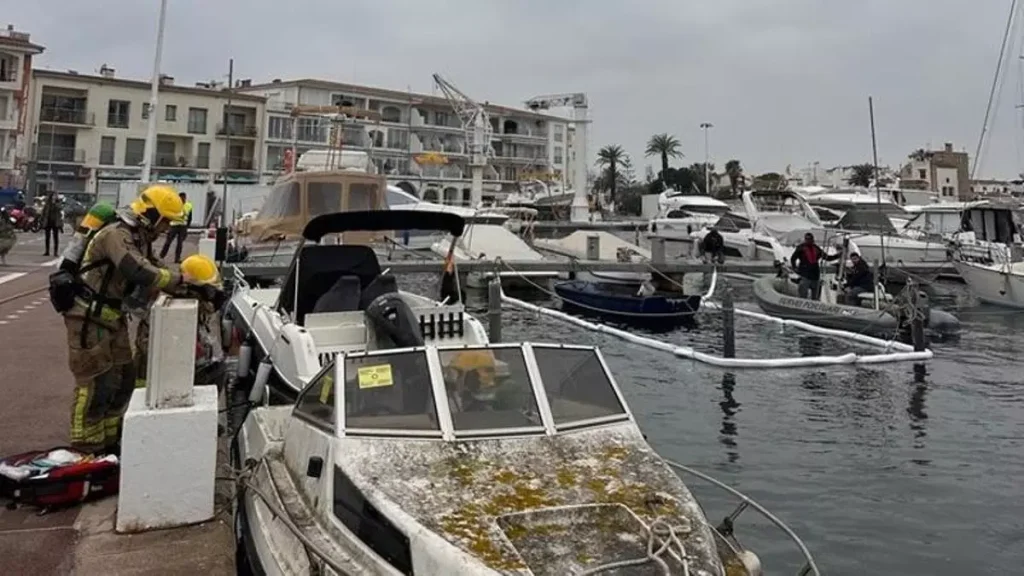
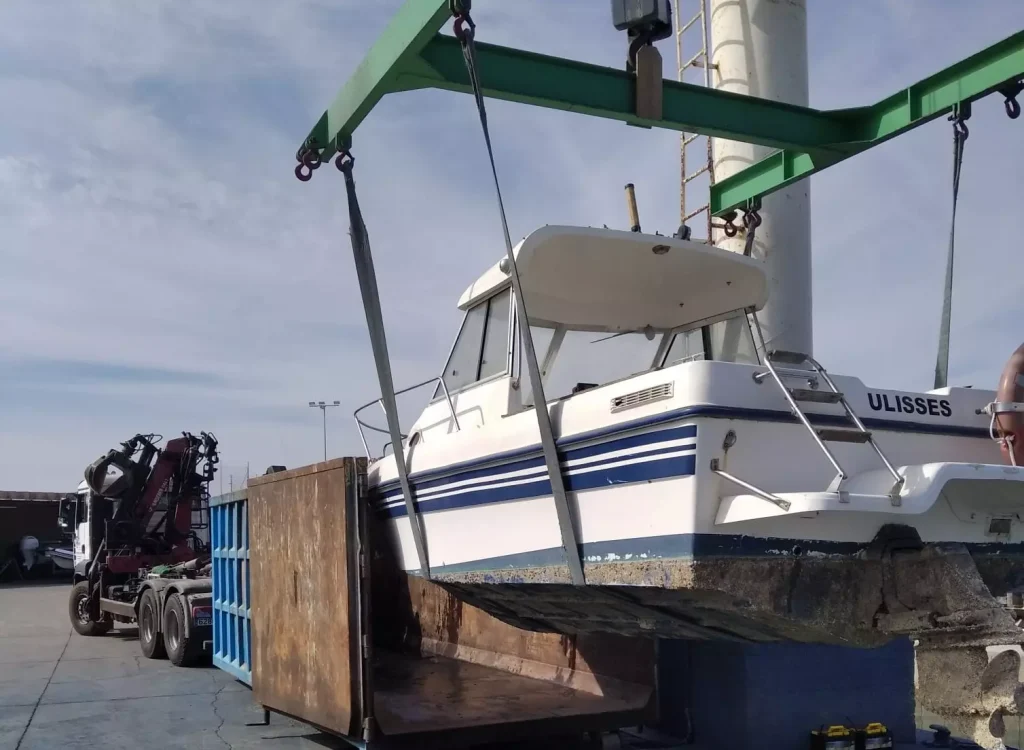
In these cases, the first thing they stop paying for is the mooring. Then, in the absence of maintenance, saltpetre and storms quickly damage the vessel. The port authorities agree on the details of this systemic deterioration process: the hull degrades and there is a risk of water pollution from oil and fuel spills. When the ship’s fenders (the rubber buffers) break, the ships impact and damage the dock and adjacent vessels. Waterways are created and there is a risk of sinking and even dragging another ship.
“We have to make surveillance rounds to control these ships. When we see that their waterline is below the water we have to act,” explains the manager of the Consorci Port de Mataró, Carles Fillat, who puts the number of ships in poor condition in this port at around twenty. Faced with the danger of sinking and damage to third boats, the port must initiate procedures to remove them from the water.“Many ports are full and finding a mooring from one day to the next is expensive, while these abandoned boats occupy them,” regrets Fillat.
More on the Central Coast
The problem affects all marinas – with some occasional exceptions – and is much greater on the Central Coast, which stretches from Maresme to Garraf, where the largest number of moorings are located. In some cases, up to 30 abandoned vessels have been counted at a single facility. In small ports there can be between two and seven boats. The Fundació Barcelona Capital Nàutica, together with the association of marinas and Clúster Development, have started an intense work to quantify the dimension of the problem and find a way out of the situation, involving all the actors of the nautical sector.
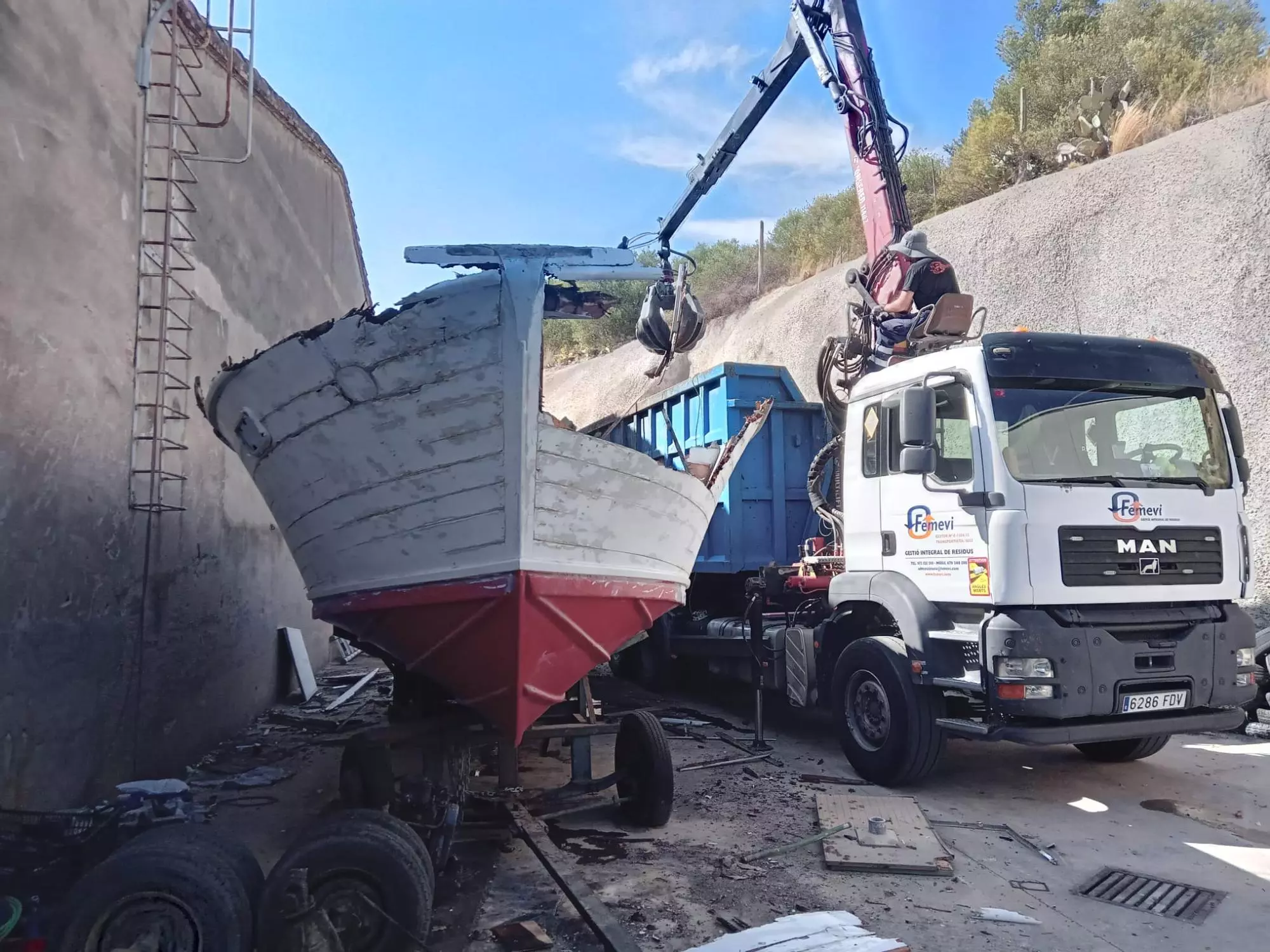
“If you do good maintenance, a boat can last 60 years or more. We encourage the refitMany customers buy a llaüt from the 1970s, put in a new engine and it becomes a classic boat with many years ahead of it,” Fillat points out. But without maintenance, there comes a time when the repair does not cover the sale price, the owner is disengaged and the boat is left in limbo. By law, when owners fail to meet their responsibility, the ports must take over and carry out long and costly procedures to remove it from the water and scrap it.
Few files
Between 2020 and 2025, Ports de la Generalitat processed 68 abandonment files, between 13 and 14 per year on average, a figure that the sector itself considers far from the reality of the moorings. However, the administration has stepped on the accelerator: the eight new files opened during the first four months of 2026 indicate that, if it continues like this, this year it will process practically half of what was managed in the previous five years combined.
“The ports are gradually resolving the abandonment files. But we spend many hours of procedures and we assume a very high economic cost. We ask the administration that the processes are agile, and that they can be completed in six months, both to ensure the safety of the port and the operation of the facility. We have to find a way so that this problem does not go further,” claims the president of the ACPET.
Debt forgiveness
Lluc Puig, director of Marina Empuriabrava, says that there are cases of boats that are up to five and six years without facing the mooring costs. The whole administrative procedure to remove them from the water and destroy them adds up to two more years. To avoid the long procedures and to be able to free up space, he proposes to the owners who no longer pay or maintain their vessels to agree to their scrapping in exchange for forgiving a part of the debt contracted with the port.
Empuriabrava carries out between six and eight de-wharfing per year. For a small boat of eight meters, the amount without entering the mooring can vary between 3,300 and 8,000 euros per year. Then, according to Puig, the appraisal, expertise, lawyers, transfer and scrapping can mean at least 4,500 euros more costs for the port.
Margarita, by John Wayne
Three years ago, then as manager of the Consorci Port de Portbou, he recalls that he unshipped the Margarita, one of the oldest vessels.“It was said to belong to John Wayne. Because of its condition, it sank in front of the port. They pulled her out with a crane and she was abandoned right there,” until two years of paperwork later, Puig recalls, “we were able to de-rig her.” The people had already grown fond of it, and some even protested its destruction.
News published in El Periódico by Gloria Ayuso. Consult here